How to Avoid Fake Coupon Websites and Find Trusted Deals
Posted on |
How to Avoid Fake Coupon Websites and Find Trusted Deals Safely in 2026
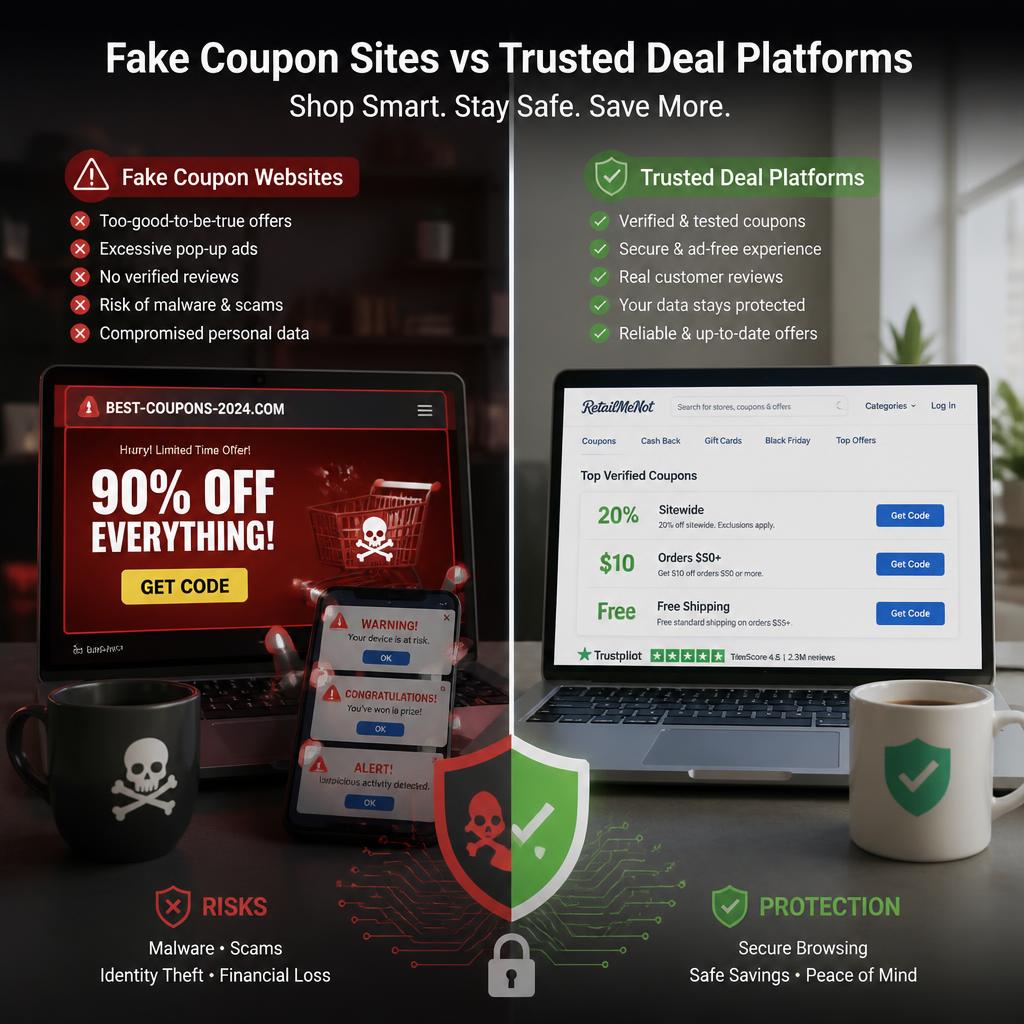
Online shoppers search for promo codes and coupons every single day to save money on fashion, electronics, travel, software, and household products. But while online discounts continue growing in popularity, fake coupon websites have also become a major problem in 2026.
Many websites claim to offer working promo codes and exclusive discounts, but instead they provide expired coupons, misleading offers, dangerous ads, or even phishing scams designed to steal personal information. Some fake coupon websites exist only to generate ad revenue from frustrated users clicking multiple fake “Get Deal” buttons.
Learning how to identify trusted coupon websites is now essential for safe online shopping. If you know the warning signs of scam coupon platforms, you can avoid fake deals, protect your data, and still enjoy real online savings.
Why Fake Coupon Websites Are Everywhere
The online coupon industry is extremely competitive. Millions of people search Google every month using terms like:
- working promo codes
- discount coupons
- online deals
- verified coupons
- cashback offers
Because of this huge traffic opportunity, many low-quality websites create fake coupon pages simply to rank in search engines and earn advertising income.
These websites often copy coupon codes from other platforms without verifying them. In many cases, the promo codes expired months ago. Unfortunately, users usually discover this only after testing multiple fake offers during checkout.
Some scam coupon websites go even further by using malware, spam notifications, or phishing tactics to collect sensitive information from visitors.
How Fake Coupon Websites Trick Users
Fake coupon websites use several common tactics to appear legitimate.
Expired Promo Codes
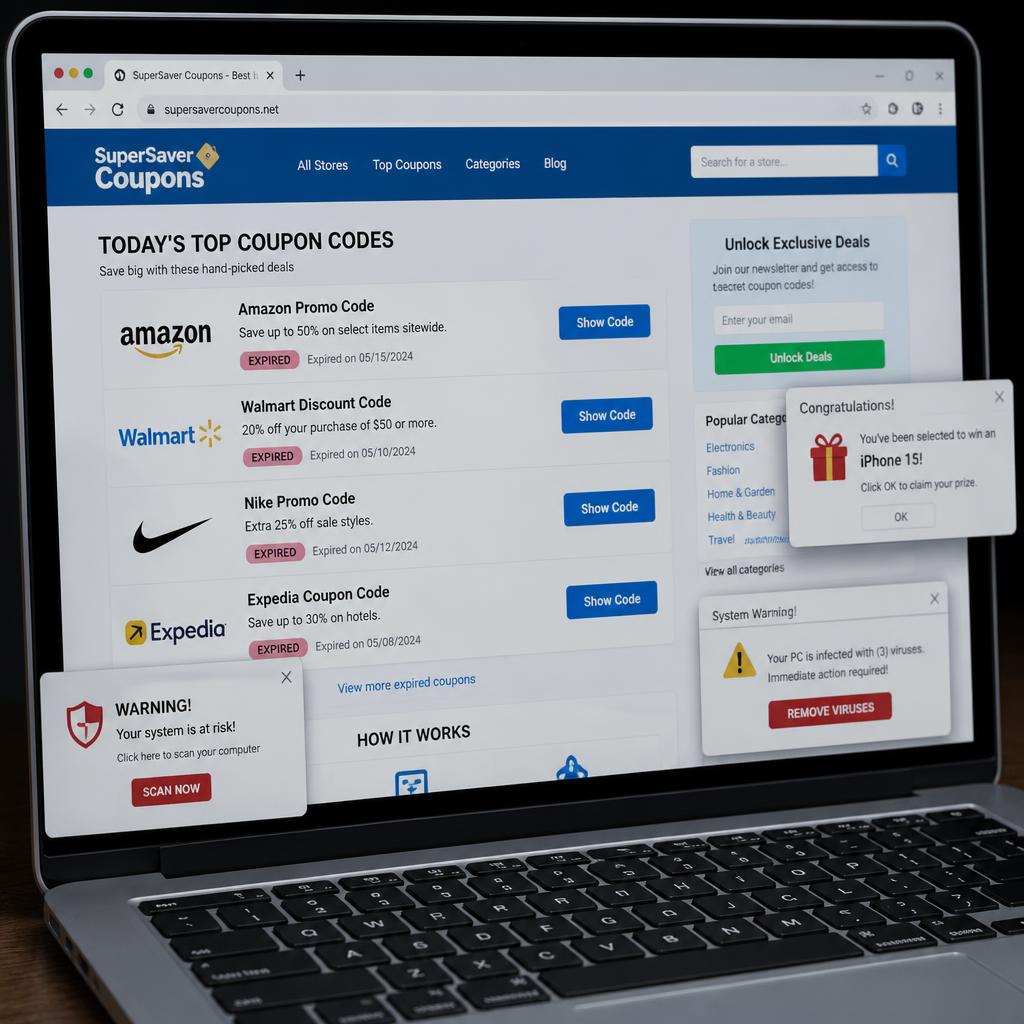
One of the biggest warning signs is an endless list of expired or non-working coupon codes. Scam websites rarely verify their offers before publishing them.
Trusted coupon platforms usually test codes regularly and remove invalid deals quickly.
Fake “Get Coupon” Buttons
Many scam sites place large buttons that redirect users through multiple advertising pages before revealing a useless code.
Sometimes the buttons trigger downloads, suspicious notifications, or unrelated advertisements instead of actual discounts.
Misleading Countdown Timers
Fake urgency is another common tactic. Some websites display countdown timers or “limited-time offers” that reset every time the page reloads.
This psychological trick pressures users into clicking quickly without checking whether the website is trustworthy.
Aggressive Popups
Low-quality coupon websites often overload users with:
- autoplay videos
- push notification requests
- fake virus warnings
- excessive advertisements
- forced redirects
Trusted coupon sites focus on user experience instead of overwhelming visitors with spammy ads.
How to Identify Trusted Coupon Websites
Finding legitimate coupon websites becomes easier once you know what to look for.
Check for HTTPS Security
Always check whether the website uses HTTPS encryption.
Secure websites display a padlock icon in the browser address bar. This helps protect user data while browsing.
Although HTTPS alone does not guarantee legitimacy, trusted coupon websites should always use secure encryption.
Look for Real User Reviews
Reliable coupon platforms often have strong reputations online.
Search for:
- Trustpilot reviews
- Reddit discussions
- shopping forums
- social media feedback
Real users frequently discuss whether promo codes actually work.
If a website has many complaints about fake deals or spam redirects, avoid using it.
Verify Coupon Success Rates
Many trusted coupon websites now display:
- verification dates
- working percentages
- last successful use
- community votes
This transparency helps users identify active promo codes quickly.
Avoid Unrealistic Discounts
If a website promises impossible savings like:
- 95% OFF iPhones
- free luxury products
- unlimited shopping credits
the offer is probably fake.
Legitimate retailers rarely provide extreme discounts outside major clearance events.
The Safest Places to Find Real Promo Codes
Instead of relying on random coupon websites, shoppers should focus on trusted sources.
Official Brand Websites
Many companies publish promo codes directly on their websites during:
- seasonal sales
- Black Friday
- Cyber Monday
- holiday promotions
Official sources are always safer than unknown coupon platforms.
Email Newsletters
Retailers frequently reward email subscribers with:
- welcome discounts
- exclusive promo codes
- early sale access
- birthday offers
Many shoppers ignore newsletters, but they remain one of the best sources for verified deals.
Browser Extensions
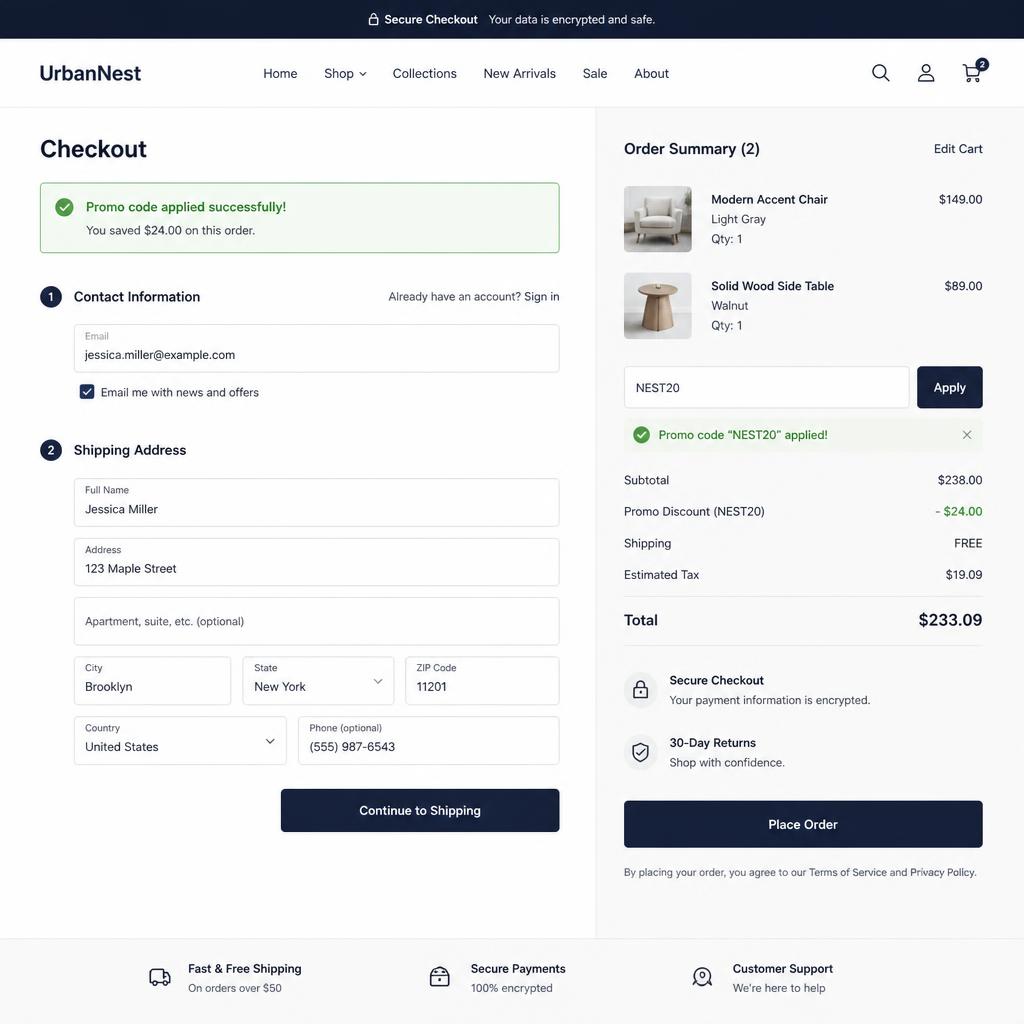
Modern browser extensions automatically test promo codes during checkout.
Trusted extensions save time and reduce the risk of visiting suspicious coupon websites manually.
However, users should install extensions only from official browser stores with strong reviews.
Cashback Platforms
Trusted cashback websites offer additional savings after purchases.
Instead of instant discounts, cashback services return a percentage of your spending later.
Reliable cashback platforms provide:
- transparent payment systems
- tracking dashboards
- verified transaction history
Always research cashback services before using them.
Common Red Flags of Fake Coupon Websites
Recognizing scam warning signs can help shoppers avoid dangerous websites quickly.
Poor Website Design
Many fake coupon websites contain:
- broken layouts
- copied articles
- grammar mistakes
- keyword stuffing
- outdated interfaces
Professional design alone does not guarantee safety, but low-quality presentation is often suspicious.
Too Many Redirects
Trusted coupon sites usually provide coupons directly.
If a website redirects users through multiple unrelated pages before revealing a deal, it may exist mainly for advertising profits.
Requests for Sensitive Information
Legitimate coupon platforms rarely ask for:
- banking details
- passwords
- credit card verification
- identity documents
Users should never share sensitive information just to access a discount code.
Forced Downloads
Coupon websites should not require software downloads to reveal offers.
Fake “coupon generators” or suspicious shopping tools may contain malware.
Why Trusted Coupon Sites Matter for Online Security
Using fake coupon websites is not only frustrating — it can also become dangerous.
Some scam platforms attempt to:
- steal passwords
- track browsing activity
- install malware
- collect financial information
- send spam notifications
As cyber threats continue increasing in 2026, shoppers must treat coupon browsing seriously.
Safe online shopping now requires both smart spending habits and strong security awareness.
Best Practices for Finding Trusted Deals Online
Experienced online shoppers follow several important safety habits.
Use Multiple Trusted Sources
Do not depend on a single coupon website.
Compare deals across:
- official retailer sites
- cashback apps
- verified coupon platforms
- shopping communities
Double-Check Expiration Dates
Many promo codes expire quickly.
Always verify whether deals are still active before attempting checkout.
Read Coupon Terms Carefully
Some discounts only apply under specific conditions such as:
- minimum purchase amounts
- first-time customers
- selected product categories
Understanding the rules prevents checkout disappointment.
Keep Your Browser Updated
Modern browsers help block unsafe websites automatically.
Security updates improve protection against phishing pages and malicious redirects.
The Future of Online Coupons in 2026
The coupon industry continues evolving rapidly.
Artificial intelligence now helps some trusted coupon websites automatically test promo codes and remove expired offers faster than before.
At the same time, scammers are becoming more advanced. Fake websites now imitate legitimate brands more convincingly than ever.
Because of this, online shoppers must remain cautious while searching for discounts.
The safest strategy is combining trusted coupon sources with good cybersecurity habits.
Final Thoughts
Finding real promo codes online can save shoppers significant money, but fake coupon websites remain a growing problem in 2026.
Fortunately, learning how to identify trusted coupon platforms is easier once you understand the warning signs.
By avoiding suspicious websites, checking user reviews, using secure platforms, and relying on verified sources, shoppers can safely enjoy online discounts without risking their privacy or security.
Smart shoppers do not chase every deal they see online. Instead, they focus on trusted coupon websites that provide real savings, transparent offers, and safe browsing experiences.
How Do Discount Codes Work in E-commerce Stores
Digital vs. Paper Coupons: What’s the Difference
How Discount Coupons Are Changing the Game in Online Shopping