How Online Shopping Discounts Changed Consumer Behavior
Posted on |
How Online Shopping Discounts Changed Consumer Behavior in 2026
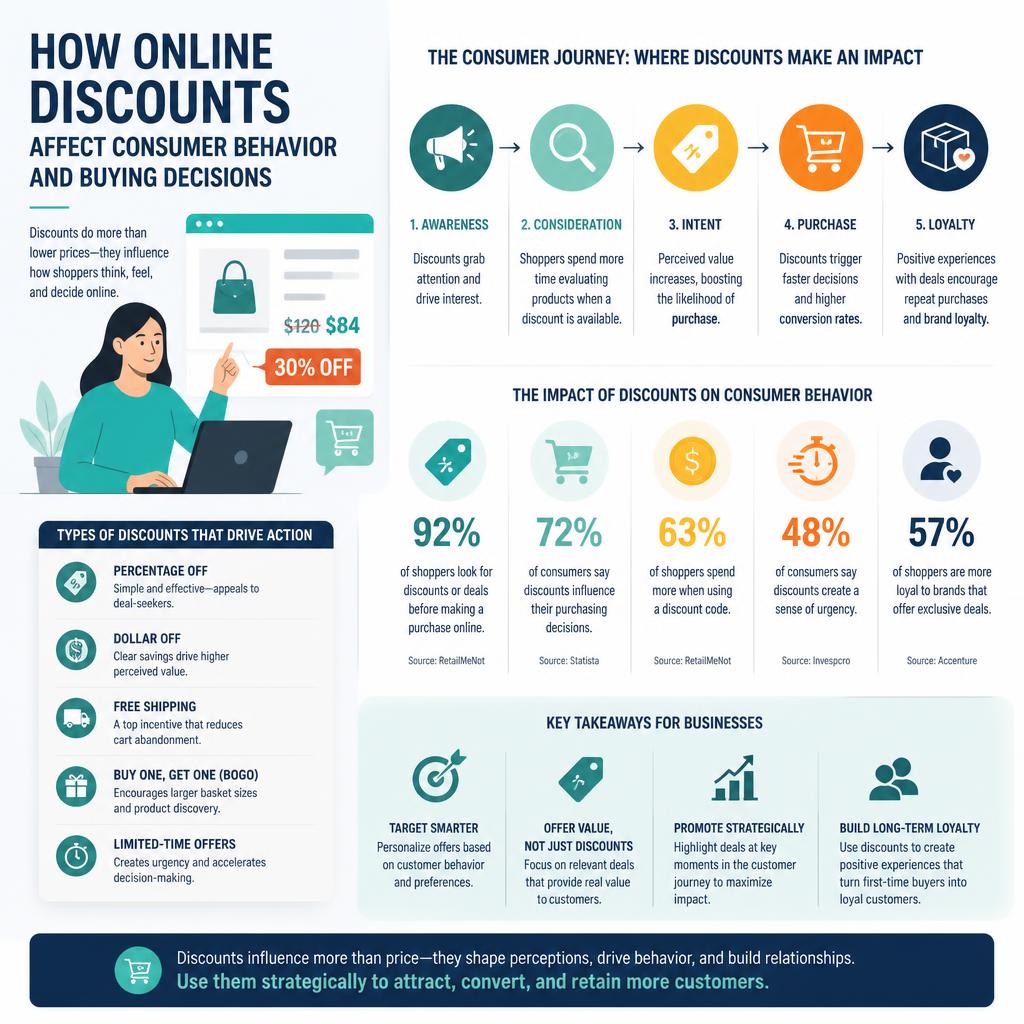
Online shopping discounts have completely transformed the way consumers buy products and services. Over the last decade, promo codes, cashback offers, coupons, flash sales, loyalty rewards, and personalized discounts have become powerful tools influencing purchasing decisions across nearly every industry.
In 2026, online discounts are no longer just occasional promotions. They are now deeply integrated into the digital shopping experience itself. Many consumers actively expect discounts before completing purchases, while retailers increasingly rely on promotions to attract traffic, increase conversions, and compete in crowded online markets.
The rise of eCommerce has changed not only where people shop, but also how they think, compare prices, make decisions, and interact with brands. Consumer behavior today is heavily shaped by digital discounts and modern shopping technologies.
Understanding how online shopping discounts influence buying habits helps explain why eCommerce continues evolving so rapidly.
The Rise of Discount-Driven Shopping
Before online shopping became mainstream, consumers usually relied on traditional retail sales events, newspaper coupons, or in-store promotions to save money.
Today, discounts are available constantly through:
- promo codes
- cashback websites
- browser extensions
- mobile shopping apps
- loyalty programs
- influencer partnerships
- email marketing campaigns
This constant availability of discounts has created a new shopping mindset.
Many consumers now hesitate to buy products at full price because they believe a better deal may appear soon.
As a result, shoppers increasingly delay purchases while searching for:
- working promo codes
- seasonal sales
- cashback offers
- price drops
Discount-driven shopping has become normal behavior for millions of people worldwide.
Consumers Now Expect Discounts Automatically
One of the biggest behavioral changes caused by online shopping discounts is expectation.
Modern consumers often assume that discounts should always exist somewhere online.
Before completing purchases, many shoppers automatically:
- search for coupon codes
- compare prices across websites
- activate cashback rewards
- wait for flash sales
- check browser extensions
This behavior has become routine.
Retailers understand these habits and frequently build marketing strategies around consumer expectations for savings.
Some stores intentionally leave room for discounting within product pricing because customers now expect promotional offers regularly.
Promo Codes Changed Checkout Behavior
Promo codes significantly changed the online checkout experience.
Many consumers now pause at checkout specifically to search for discount codes before paying.
This behavior is so common that some retailers strategically display promo code boxes during checkout even when users do not already have coupons.
The presence of a promo code field psychologically encourages shoppers to search for discounts rather than complete purchases immediately.
As a result, entire industries developed around coupon aggregation and discount discovery.
Promo code culture also increased competition between retailers because consumers can compare savings opportunities instantly across multiple stores.
Flash Sales Created Urgency-Based Shopping
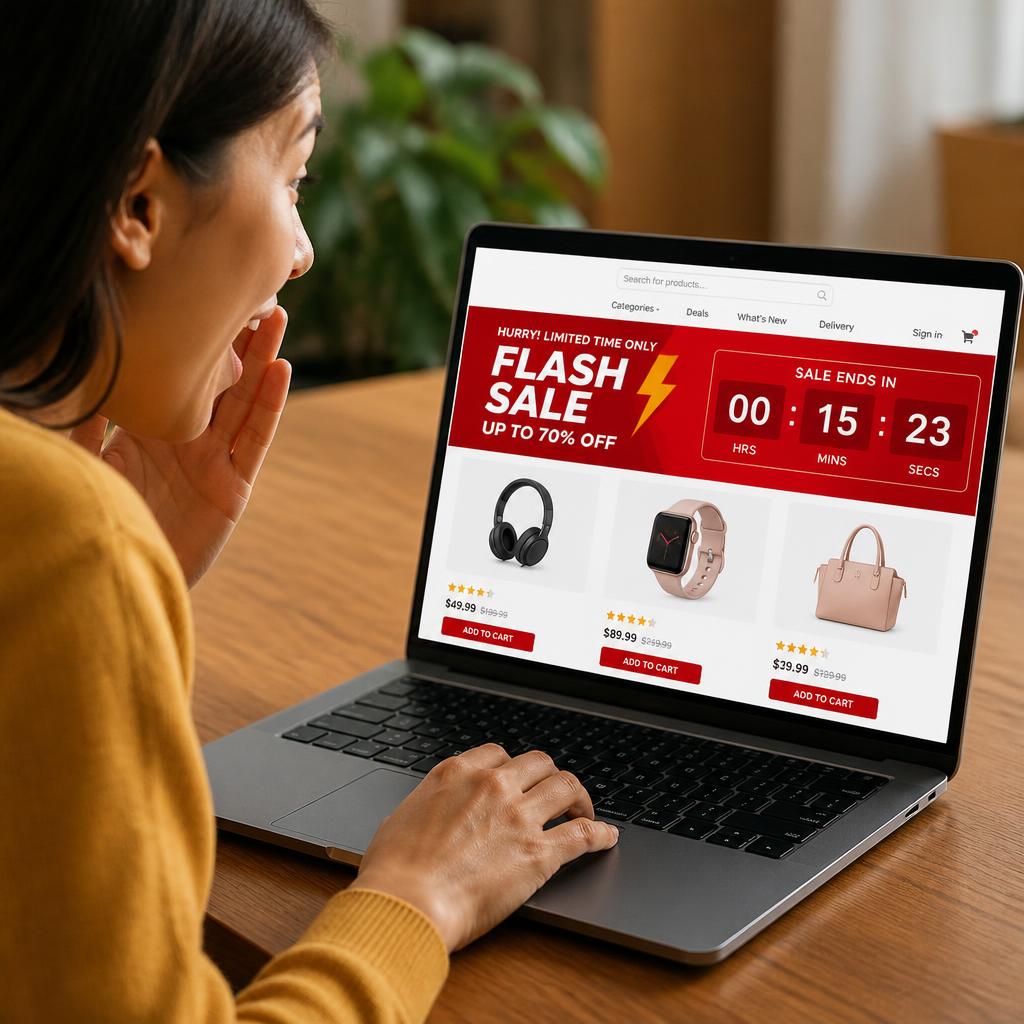
Flash sales and limited-time discounts dramatically changed consumer psychology.
Retailers now use urgency tactics such as:
- countdown timers
- low-stock warnings
- limited-time deals
- one-day promotions
These strategies encourage faster purchasing decisions.
Consumers increasingly fear missing out on temporary discounts, often referred to as “FOMO” or fear of missing out.
Flash sales can trigger impulse purchases because shoppers feel pressure to buy quickly before deals disappear.
In 2026, urgency marketing remains one of the most powerful conversion tools in eCommerce.
Cashback Rewards Encouraged Repeat Purchases
Cashback platforms introduced a different kind of shopping behavior.
Instead of focusing only on instant discounts, cashback systems reward shoppers after purchases are completed.
This creates long-term engagement because users feel motivated to continue shopping in order to accumulate rewards.
Consumers now often choose stores based partly on cashback availability.
Some shoppers even change purchasing decisions depending on which retailer offers better cashback percentages.
This behavior has strengthened the influence of affiliate marketing and cashback partnerships across online retail.
Mobile Shopping Increased Discount Accessibility
Mobile shopping apps made discounts easier to access than ever before.
Consumers now receive:
- push notifications
- app-exclusive promo codes
- flash sale alerts
- personalized recommendations
directly on their smartphones.
This constant access to promotions increased shopping frequency significantly.
Many retailers now reserve special discounts only for mobile app users because apps improve customer retention and repeat purchases.
The convenience of mobile shopping combined with instant discounts created a much faster shopping cycle compared to traditional retail environments.
Personalized Discounts Changed Consumer Expectations
Artificial intelligence and data analytics now allow retailers to personalize discounts based on user behavior.
Consumers increasingly receive offers tailored to:
- browsing history
- abandoned carts
- shopping preferences
- location
- previous purchases
Personalized discounts make promotions feel more relevant and effective.
At the same time, they also influence buying behavior more strongly because shoppers feel the deals are designed specifically for them.
This trend continues growing rapidly in 2026.
Social Media Influenced Discount Culture
Social media platforms became major drivers of online shopping behavior.
Influencers regularly share:
- promo codes
- affiliate links
- limited-time deals
- exclusive discounts
Consumers increasingly discover products through social content rather than traditional advertising.
This changed how brands market products online.
Instead of relying only on direct advertising, many retailers now use influencer partnerships and viral discount campaigns to increase visibility and conversions.
Social shopping behavior has become deeply connected to online discounts.
Discounts Increased Price Sensitivity
Modern consumers are more price-conscious than previous generations.
Because price comparisons are now instant online, shoppers can easily search for cheaper alternatives before purchasing.
Discount culture increased awareness of pricing differences between retailers.
Consumers today are more likely to:
- compare multiple stores
- wait for sales
- avoid paying full price
- switch brands for better deals
This increased price sensitivity forces retailers to remain highly competitive.
Loyalty Programs Changed Brand Relationships
Loyalty rewards transformed how consumers interact with brands.
Instead of making one-time purchases, many shoppers now actively participate in reward ecosystems that offer:
- points
- cashback
- exclusive discounts
- VIP perks
- member-only deals
These systems encourage repeat purchases and long-term customer retention.
Consumers may continue shopping with specific brands simply to maintain loyalty benefits.
Online Discounts Increased Impulse Buying
While discounts help consumers save money, they also encourage additional spending.
Many shoppers buy products they did not originally plan to purchase simply because discounts appear attractive.
Psychological triggers such as:
- “limited-time only”
- “exclusive deal”
- “save 50% today”
can override rational decision-making.
This is one reason retailers invest heavily in promotional strategies.
Discounts increase both sales volume and average order values.
Browser Extensions Automated Savings Behavior
Shopping browser extensions changed how consumers search for discounts.
Modern extensions automatically:
- test promo codes
- compare prices
- activate cashback
- track deals
This automation reduced friction during shopping and made discount hunting much easier.
Consumers no longer need to manually search for coupons constantly.
As these tools become smarter, savings behavior continues becoming more automated.
Subscription Services Changed Promotional Strategies
Subscription-based businesses also adapted to discount culture.
Streaming platforms, software companies, and membership services now frequently use:
- free trials
- discounted first months
- annual subscription promotions
to attract customers.
Consumers increasingly expect introductory offers before committing to subscriptions.
This behavior reshaped digital service marketing strategies significantly.
The Psychological Impact of Discounts
Online discounts influence emotions as much as finances.
Many consumers experience excitement, satisfaction, or achievement when finding good deals.
Saving money can create positive emotional reinforcement that encourages future shopping activity.
Retailers understand these psychological effects and design shopping experiences around them carefully.
This emotional aspect explains why discount culture remains so powerful online.
The Future of Consumer Shopping Behavior
As artificial intelligence continues evolving, online shopping discounts will likely become even more personalized and automated.
Future trends may include:
- AI-generated pricing
- predictive discounts
- automatic deal matching
- real-time personalized offers
Consumers may eventually receive completely individualized shopping experiences based on their behavior patterns.
At the same time, competition between retailers will likely continue increasing, leading to even more aggressive discount strategies.
Final Thoughts
Online shopping discounts fundamentally changed consumer behavior by making savings an expected part of the buying process.
Promo codes, cashback rewards, flash sales, loyalty programs, and personalized offers now influence nearly every stage of the customer journey.
Consumers today shop differently because digital discounts changed how people compare prices, make decisions, interact with brands, and respond to marketing strategies.
In 2026, understanding discount-driven consumer behavior is essential for both shoppers and businesses operating in the rapidly evolving world of eCommerce.
How Do Discount Codes Work in E-commerce Stores
Digital vs. Paper Coupons: What’s the Difference
What is a Promo Code and How to Use It to Save Money?
How Discount Coupons Are Changing the Game in Online Shopping