Common Mistakes People Make When Using Discount Codes
Posted on |
Common Mistakes People Make When Using Discount Codes in 2026
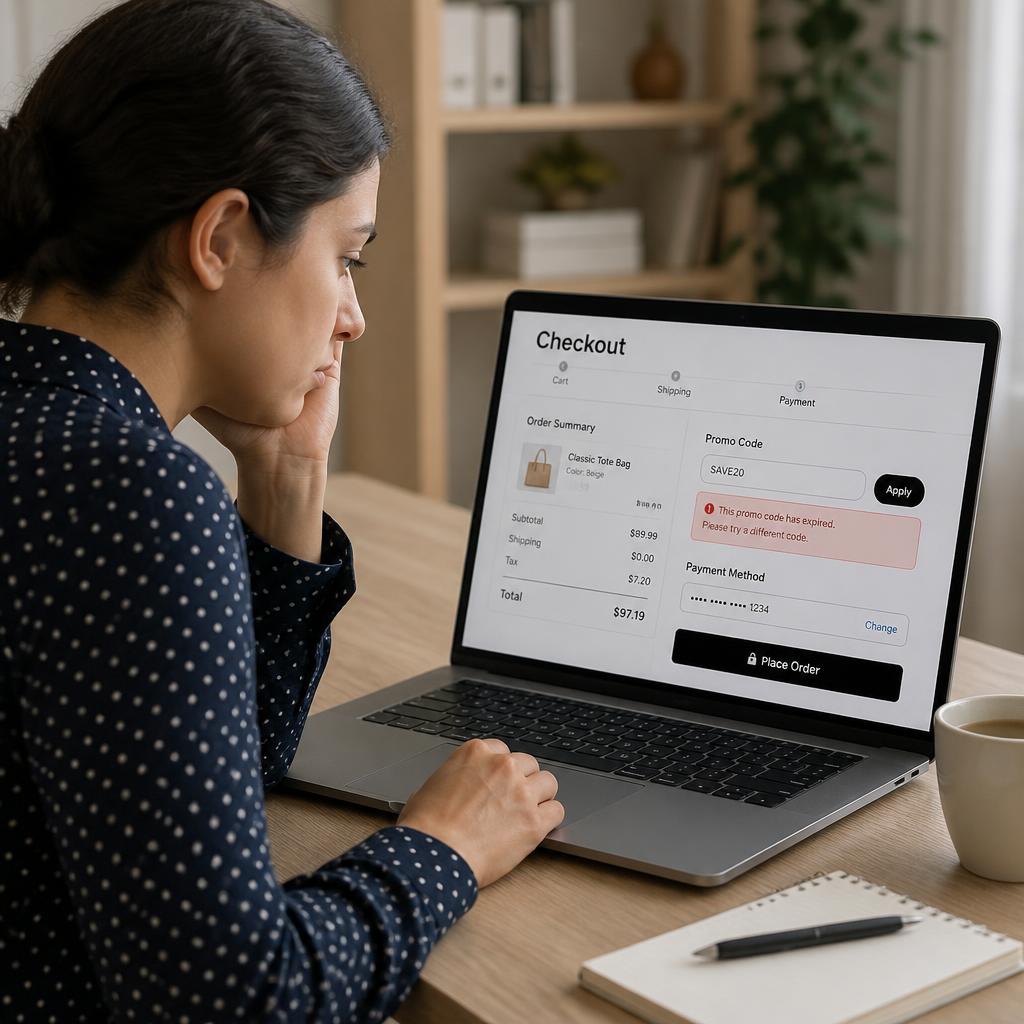
Discount codes have become one of the most popular tools for saving money while shopping online. Millions of consumers search for promo codes before purchasing clothing, electronics, beauty products, travel bookings, software subscriptions, and household items. In 2026, online retailers continue offering digital discounts through coupons, cashback programs, loyalty rewards, and seasonal promotions to attract shoppers and increase sales.
However, despite the widespread popularity of promo codes, many consumers still make simple mistakes that prevent them from maximizing savings. Some shoppers use expired coupons, forget cashback activation, misunderstand store policies, or trust fake coupon websites. These errors may seem small, but over time they can cost shoppers significant amounts of money.
Understanding the most common discount code mistakes can help consumers avoid frustration, improve online shopping experiences, and unlock bigger savings more consistently.
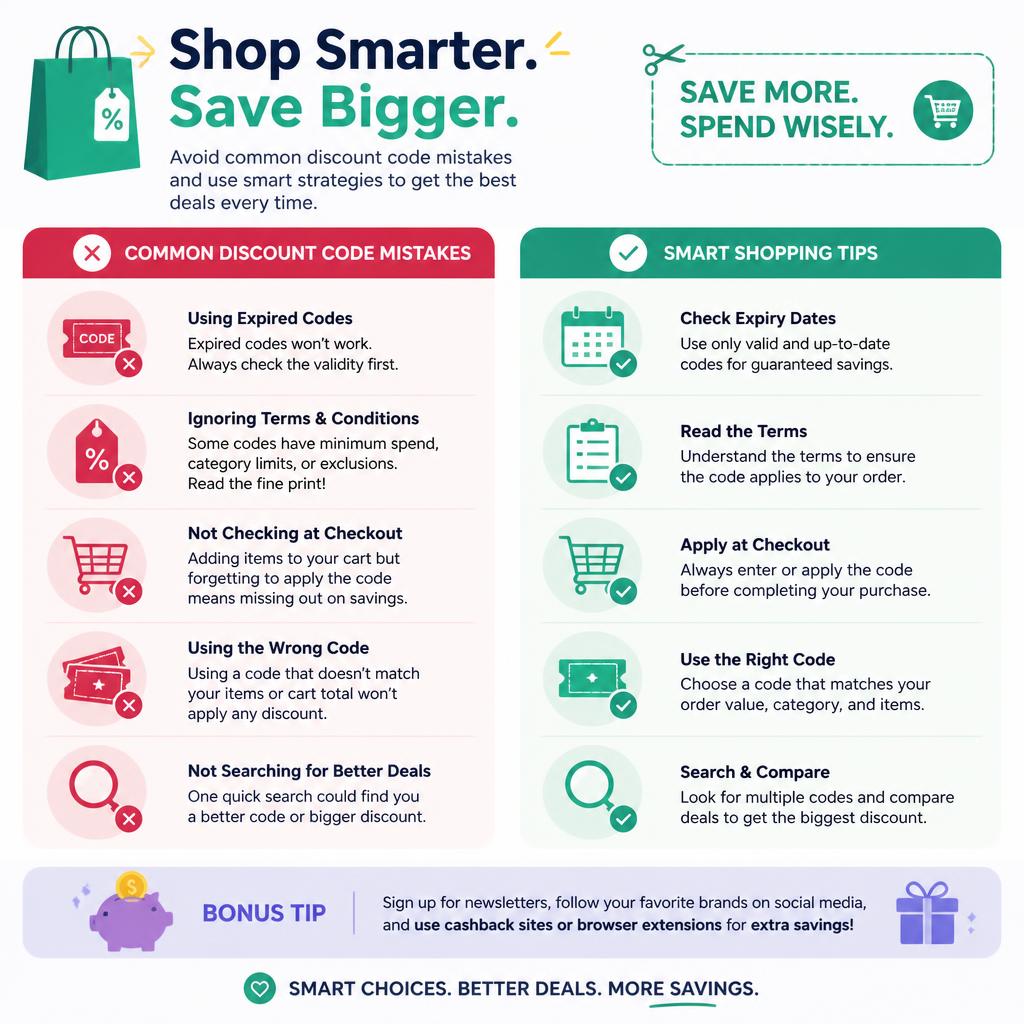
Using Expired Discount Codes
One of the most common mistakes people make is attempting to use expired promo codes.
Many shoppers find discount codes through search engines or coupon websites without checking whether the offers are still active. Some low-quality coupon platforms rarely verify their listings, leaving expired codes online for months.
Retailers often create short-term promotions for:
- flash sales
- seasonal events
- influencer campaigns
- limited-time marketing offers
Once these campaigns end, the promo codes stop working immediately.
Shoppers who rely on outdated coupon websites frequently waste time testing invalid discounts during checkout.
The best solution is using trusted coupon platforms that regularly update and verify their offers.
Ignoring Terms and Conditions
Many discount codes contain important rules that shoppers overlook.
Consumers often assume a promo code works for every product and every customer, but retailers usually apply restrictions.
Common limitations include:
- minimum purchase requirements
- selected product categories
- first-time customer only offers
- app-exclusive discounts
- country restrictions
- excluded brands
For example, a shopper may attempt to use a 20% discount code on luxury products even though the retailer excluded premium brands from the promotion.
Reading the terms carefully prevents confusion during checkout.
Forgetting to Activate Cashback Offers
Cashback has become one of the biggest online savings opportunities in 2026.
However, many shoppers lose rewards simply because they forget to activate cashback before making purchases.
Most cashback systems require users to:
- click through cashback platforms
- activate browser extensions
- open shopping apps first
If the purchase happens before cashback activation, the reward may not track properly.
This is one of the easiest mistakes to avoid, yet it remains extremely common.
Experienced shoppers usually confirm cashback activation before completing checkout.
Using Too Many Promo Codes
Some shoppers try entering multiple promo codes randomly during checkout.
This can sometimes create problems because many retailers allow only one code per order.
Repeated failed attempts may:
- trigger fraud systems
- deactivate discounts temporarily
- invalidate existing promotions
Instead of testing random codes endlessly, consumers should focus on verified offers that match the store’s current promotions.
Quality matters more than quantity.
Ignoring Browser Extensions and Shopping Tools
Many beginners still search manually for promo codes even though modern shopping tools automate much of the process.
Trusted browser extensions can:
- test promo codes automatically
- activate cashback
- compare prices
- alert users about discounts
Consumers who ignore these tools often miss better deals or waste time manually searching coupon websites.
Shopping technology continues improving rapidly, making automated savings easier than ever before.
Falling for Fake Coupon Websites
Fake coupon websites remain a major problem online.
Some scam platforms provide:
- expired promo codes
- fake offers
- excessive advertisements
- phishing links
- malware downloads
Shoppers searching desperately for discounts sometimes trust suspicious websites without verifying legitimacy.
Warning signs include:
- aggressive popups
- endless redirects
- fake countdown timers
- unrealistic discounts
- requests for sensitive information
Trusted coupon websites focus on verified deals and transparent user experiences.
Safe shopping should always come before savings.
Buying Unnecessary Products Because of Discounts
One of the biggest psychological mistakes consumers make is purchasing items they do not actually need simply because discounts appear attractive.
Retailers intentionally use marketing tactics such as:
- “limited-time offer”
- “flash sale”
- “save today”
- “almost sold out”
to trigger emotional purchases.
Although promo codes reduce prices, unnecessary spending still wastes money overall.
Smart shoppers focus on planned purchases rather than impulse buying.
Forgetting to Compare Prices
Some consumers assume a promo code automatically creates the best deal available.
However, another retailer may already offer a lower base price without requiring discounts.
For example:
- Store A sells a product for $120 with a 20% discount code
- Store B sells the same product for $90 without coupons
Price comparison remains essential even when discounts are available.
Shoppers should compare:
- final checkout totals
- shipping fees
- taxes
- return policies
before purchasing.
Waiting Too Long to Use Promo Codes
Some promo codes expire quickly due to:
- limited-time campaigns
- flash sales
- inventory management
- seasonal events
Shoppers who delay purchases too long may lose access to working discounts.
This happens frequently during:
- Black Friday
- Cyber Monday
- Prime Day
- holiday shopping periods
Monitoring expiration dates helps consumers avoid missing opportunities.
Ignoring Free Shipping Thresholds
Many retailers offer free shipping after minimum spending amounts.
Some shoppers complete purchases slightly below these thresholds and end up paying expensive delivery fees.
In some situations, adding a small low-cost item to the cart may cost less than paying shipping charges separately.
Understanding shipping policies helps maximize savings more effectively.
Using Public Wi-Fi for Online Purchases
Online savings are important, but shopping security matters too.
Some shoppers enter payment information while connected to unsecured public Wi-Fi networks.
This increases cybersecurity risks, especially when shopping on unfamiliar websites.
Consumers should use secure internet connections and trusted payment systems whenever making online purchases.
Protecting personal information is just as important as finding discounts.
Ignoring Loyalty Programs
Many shoppers focus only on promo codes while ignoring loyalty rewards.
Retailers increasingly offer loyalty systems that provide:
- points
- cashback
- member discounts
- birthday rewards
- early sale access
These programs often stack with coupons and cashback offers.
Frequent shoppers can accumulate substantial long-term savings through loyalty memberships.
Failing to Check Return Policies
A cheap purchase is not always a good deal if returning products becomes difficult.
Some retailers impose:
- expensive return shipping fees
- short return windows
- store credit only policies
Consumers should review return conditions before completing purchases.
This is especially important during major sale periods when return rules may change temporarily.
Not Using Mobile App Discounts
Many retailers now reserve their best deals for mobile app users.
App-exclusive offers may include:
- higher discounts
- bonus cashback
- exclusive promo codes
- push notification deals
Consumers who shop only through desktop websites may miss these opportunities completely.
Mobile shopping continues growing rapidly in 2026.
Why These Mistakes Matter More in 2026
Online shopping has become increasingly competitive and automated.
Retailers now use artificial intelligence to personalize pricing, discounts, and shopping experiences.
At the same time, scam websites and fake coupon platforms are becoming more sophisticated.
Consumers who understand common discount code mistakes gain a major advantage when shopping online.
Smart shopping today requires both savings knowledge and digital awareness.
How Smart Shoppers Maximize Savings
Experienced online shoppers usually follow several important habits:
- compare prices before buying
- verify promo code expiration dates
- activate cashback properly
- use trusted shopping tools
- avoid emotional purchases
- monitor seasonal sales
- combine discounts strategically
These habits help maximize savings consistently over time.
Final Thoughts
Discount codes can significantly reduce online shopping costs, but many consumers still lose money because of avoidable mistakes.
Using expired promo codes, ignoring cashback activation, trusting fake coupon websites, and making impulse purchases are some of the most common problems shoppers face in 2026.
Fortunately, understanding these mistakes makes it much easier to shop smarter and save more consistently.
Consumers who combine verified promo codes, cashback rewards, loyalty programs, price comparisons, and safe shopping habits will enjoy the best online savings while avoiding frustration and unnecessary spending.
How Do Discount Codes Work in E-commerce Stores
Digital vs. Paper Coupons: What’s the Difference
How Discount Coupons Are Changing the Game in Online Shopping