Fast Fashion vs Premium Brands
Posted on |
Fast Fashion vs Premium Brands: Which Offers Better Value in 2026?
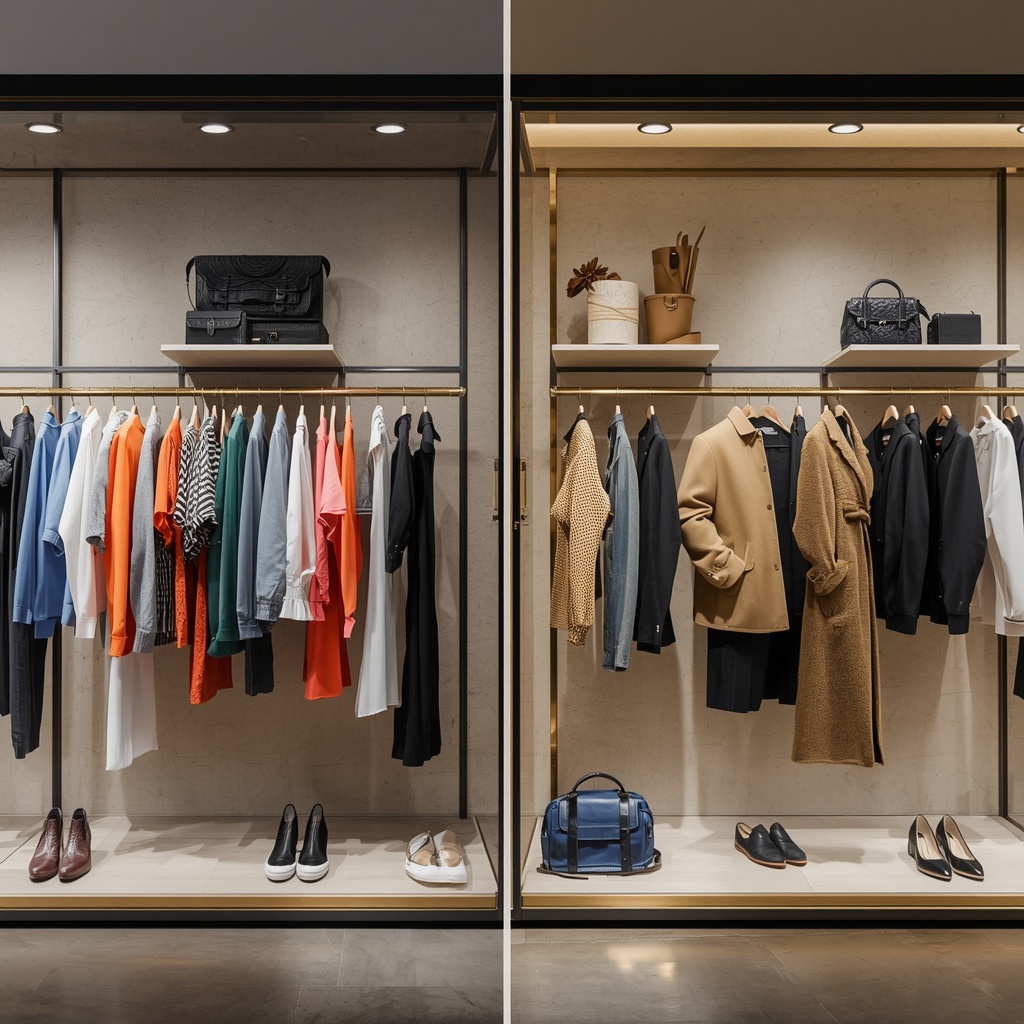
Fashion has never been more accessible than it is today. Consumers can purchase a trendy outfit for the price of a coffee or invest hundreds of dollars in a single premium garment. This wide range of options has created one of the biggest debates in modern fashion: fast fashion versus premium brands.
Some shoppers prioritize affordability and variety, while others prefer quality, craftsmanship, and longevity. Both approaches offer unique advantages and disadvantages, making it important to understand what separates these two segments of the fashion industry.
Fast fashion retailers have transformed the market by delivering runway-inspired designs at incredibly low prices. Meanwhile, premium brands focus on superior materials, better construction, and longer-lasting products.
The question many consumers ask is simple: which offers better value?
The answer depends on your budget, lifestyle, shopping habits, and long-term wardrobe goals.
This guide explores the differences between fast fashion and premium brands, compares their strengths and weaknesses, and helps you decide which approach best suits your needs in 2026.
Understanding Fast Fashion
Fast fashion refers to clothing that is designed, manufactured, and distributed rapidly to capitalize on current fashion trends.
These brands quickly identify emerging styles and produce affordable versions for mass-market consumers.
The goal is speed.
Instead of releasing only a few seasonal collections each year, fast fashion retailers continuously introduce new products, often adding hundreds or thousands of items every week.
Popular fast fashion characteristics include:
- Low prices
- Trend-focused designs
- Frequent new arrivals
- Large product catalogs
- Rapid production cycles
- Mass-market availability
Fast fashion has become incredibly popular because it allows consumers to experiment with trends without making significant financial commitments.
Understanding Premium Brands
Premium brands take a very different approach.
Rather than focusing on rapid trend adoption, premium labels emphasize quality, craftsmanship, materials, and brand heritage.
Premium clothing is often designed to remain relevant for multiple years rather than a single season.
Manufacturing processes typically involve higher-quality fabrics, stricter quality control, and greater attention to construction details.
Common characteristics of premium brands include:
- Higher-quality materials
- Better garment construction
- Timeless designs
- Smaller production runs
- Strong brand identity
- Enhanced durability
Premium brands generally target consumers who prioritize long-term value over short-term affordability.
The Evolution of Fashion Retail
The rise of eCommerce has accelerated both fast fashion and premium fashion growth.
Online retailers can analyze consumer behavior, identify trends faster, and launch new products more efficiently than ever before.
Social media platforms have also increased demand for rapidly changing fashion trends.
Consumers now encounter new styles daily through influencers, celebrities, and digital marketing campaigns.
At the same time, growing awareness of sustainability and product quality has increased interest in premium fashion.
As a result, both segments continue expanding despite targeting different consumer priorities.
Price Comparison: Fast Fashion vs Premium Brands
Price remains one of the most obvious differences between these categories.
Fast fashion retailers typically offer:
- T-shirts under $20
- Jeans under $50
- Dresses under $40
- Jackets under $80
Premium brands often charge significantly more:
- T-shirts from $50 to $150
- Jeans from $100 to $300
- Dresses from $150 to $500
- Jackets from $200 to $1,000 or more
For budget-conscious shoppers, fast fashion appears to offer better value initially.
However, purchase price represents only one part of the equation.
Long-term durability can dramatically influence overall cost efficiency.
Quality of Materials
Material quality often separates premium brands from fast fashion retailers.
Fast fashion garments frequently use lower-cost fabrics to maintain competitive pricing.
Common materials include:
- Polyester blends
- Low-cost cotton
- Synthetic fibers
- Lightweight fabrics
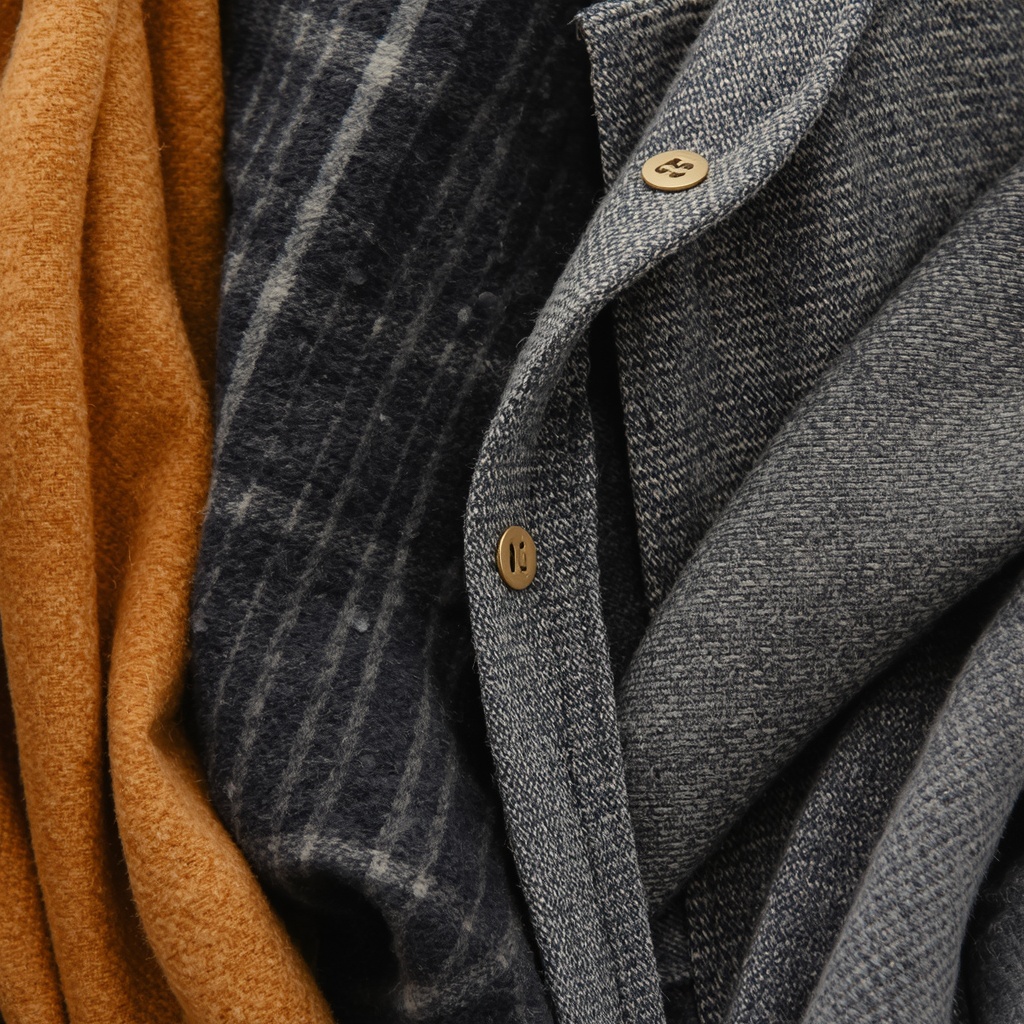
Premium brands often invest in:
- High-grade cotton
- Merino wool
- Cashmere
- Linen
- Silk
- Premium denim
Higher-quality materials generally provide:
- Better comfort
- Improved durability
- Enhanced appearance
- Greater breathability
- Longer lifespan
While exceptions exist, premium garments often feel noticeably different when worn.
Construction and Craftsmanship
Construction quality significantly affects how clothing performs over time.
Fast fashion garments are often produced under strict cost constraints.
This can result in:
- Simpler stitching
- Lower-quality hardware
- Less durable seams
- Reduced quality control
Premium brands typically invest more heavily in manufacturing.
Advantages may include:
- Reinforced stitching
- Better tailoring
- Premium zippers
- Higher-quality buttons
- Improved finishing details
These differences become particularly noticeable after repeated washing and regular wear.
Durability and Longevity
Durability is one of the strongest arguments in favor of premium brands.
A premium garment may last several years or even decades when properly maintained.
Fast fashion items often experience:
- Fabric thinning
- Color fading
- Shape distortion
- Seam failure
- Pilling
This does not mean every fast fashion item is low quality.
Some products provide excellent value.
However, premium clothing generally delivers greater consistency regarding longevity.
Consumers who wear certain items frequently often find that investing in higher-quality versions reduces replacement costs over time.
Cost Per Wear Analysis
One of the most effective ways to evaluate value is through cost per wear.
Consider two hypothetical purchases.
A fast fashion jacket costs $50 and lasts for 25 wears.
Cost per wear equals $2.
A premium jacket costs $250 and lasts for 250 wears.
Cost per wear equals $1.
Although the premium item requires a larger initial investment, it may provide better long-term value.
This concept helps explain why many consumers gradually shift toward higher-quality clothing as they become more experienced shoppers.
Style and Trend Relevance
Fast fashion excels at trend responsiveness.
Retailers can introduce new products within weeks of identifying emerging styles.
This allows consumers to experiment with fashion trends at minimal cost.
Benefits include:
- Constant new arrivals
- Affordable trend adoption
- Greater style variety
- Frequent collection updates
Premium brands often prioritize timeless designs.
Instead of chasing every trend, they focus on:
- Classic silhouettes
- Versatile colors
- Long-term wearability
- Enduring appeal
Consumers who enjoy changing styles frequently may prefer fast fashion.
Those seeking lasting wardrobes often gravitate toward premium brands.
Sustainability Considerations
Sustainability has become increasingly important within the fashion industry.
Fast fashion frequently faces criticism regarding:
- Textile waste
- Overproduction
- Resource consumption
- Short product lifecycles
Because products are inexpensive and trend-driven, consumers may purchase more items than necessary.
Premium brands often position themselves as more sustainable alternatives.
Potential advantages include:
- Longer garment lifespans
- Better materials
- Reduced replacement frequency
- Higher production standards
However, sustainability varies significantly between brands.
Not all premium brands operate sustainably, and some fast fashion retailers have implemented meaningful environmental initiatives.
Consumers should evaluate specific companies rather than relying solely on price categories.
Ethical Manufacturing
Labor practices remain a major consideration for many shoppers.
Fast fashion production often emphasizes efficiency and low costs.
This has led to concerns regarding:
- Worker compensation
- Factory conditions
- Supply chain transparency
Many premium brands invest more heavily in ethical sourcing and transparent manufacturing.
Consumers increasingly seek brands that disclose:
- Factory locations
- Labor standards
- Material sourcing
- Sustainability efforts
Ethical considerations continue influencing purchasing decisions across all price points.
Shopping Experience
The shopping experience also differs significantly.
Fast fashion retailers prioritize convenience and volume.
Typical features include:
- Massive inventories
- Frequent promotions
- Flash sales
- Trend-focused merchandising
Premium brands often emphasize:
- Curated collections
- Personalized service
- Detailed product information
- Brand storytelling
Each approach appeals to different customer preferences.
Who Should Choose Fast Fashion?
Fast fashion may be ideal for consumers who:
- Have limited budgets
- Enjoy experimenting with trends
- Frequently update wardrobes
- Need occasional-use outfits
- Prefer variety over longevity
Students and younger shoppers often find fast fashion particularly attractive because it provides affordable access to contemporary styles.
Who Should Choose Premium Brands?
Premium brands may be ideal for consumers who:
- Value durability
- Prefer timeless style
- Prioritize quality
- Buy fewer items
- Focus on long-term value
Professionals frequently invest in premium clothing because they wear certain garments regularly and benefit from greater durability.
Building a Balanced Wardrobe
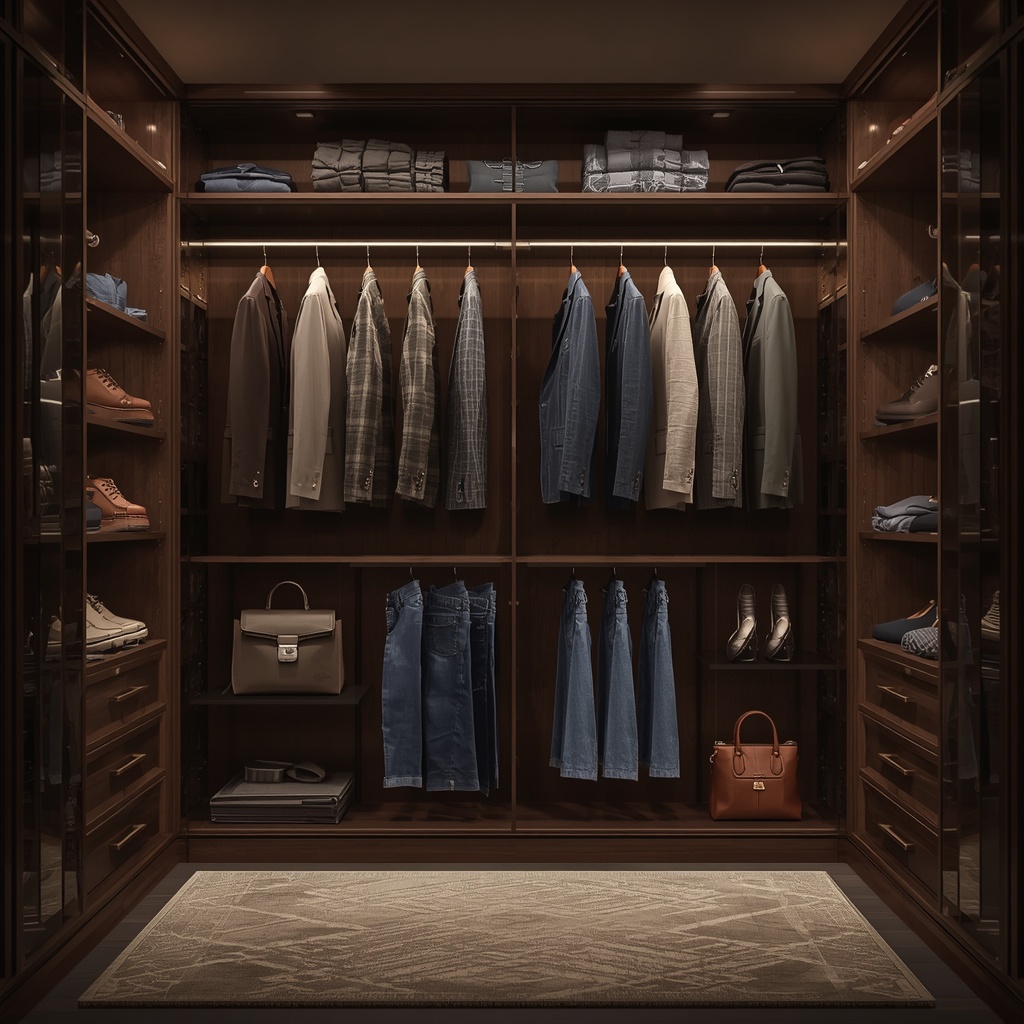
Many fashion experts recommend combining both approaches.
A balanced wardrobe might include:
Premium investments:
- Jackets
- Coats
- Shoes
- Denim
- Bags
Affordable trend items:
- Seasonal pieces
- Trend-driven accessories
- Experimentation purchases
- Occasional-use garments
This strategy allows consumers to maximize value while maintaining flexibility.
Common Myths About Fast Fashion
Several misconceptions surround fast fashion.
Fast Fashion Is Always Low Quality
Some fast fashion products provide excellent value and reasonable durability.
Premium Brands Are Always Better
Premium pricing does not automatically guarantee superior quality.
Cheap Clothing Always Costs More Long Term
Usage patterns significantly influence value calculations.
Consumers should evaluate individual products rather than relying solely on brand categories.
Common Myths About Premium Brands
Premium fashion also faces misconceptions.
Expensive Means Perfect
Even premium products occasionally experience quality issues.
Luxury and Premium Are the Same
Premium fashion focuses on quality and value, while luxury often includes exclusivity and prestige.
Everyone Needs Premium Clothing
Many consumers are perfectly satisfied with affordable alternatives.
The best choice depends on individual circumstances and preferences.
Future Trends in Fashion Retail
Several trends are shaping the future of both segments.
Improved Sustainability
Consumers increasingly demand environmentally responsible products.
Better Transparency
Brands are providing more information about sourcing and manufacturing.
AI-Powered Shopping
Technology continues improving personalization and product recommendations.
Quality Awareness
More consumers are evaluating purchases based on long-term value rather than initial cost alone.
These trends are influencing both fast fashion and premium brands.
Frequently Asked Questions
Is fast fashion always bad quality?
No. Quality varies significantly between retailers and products.
Are premium brands worth the extra cost?
For frequently worn items, premium products often provide better long-term value.
Which is more sustainable?
Generally, longer-lasting clothing contributes less waste, but sustainability depends on individual brand practices.
Should I buy only premium clothing?
Not necessarily. Many consumers benefit from combining premium staples with affordable trend pieces.
What items should I buy from premium brands?
Coats, jackets, denim, shoes, and frequently worn essentials often justify higher investments.
Best Websites for Designer Discounts
How to Avoid Fake Coupon Websites and Find Trusted Deals
Final Verdict
The debate between fast fashion and premium brands does not have a universal winner. Both serve important roles within modern wardrobes.
Fast fashion offers affordability, accessibility, and the freedom to experiment with new styles. Premium brands provide superior materials, better construction, enhanced durability, and often stronger long-term value.
For most consumers, the smartest strategy is not choosing one side exclusively. Instead, combining high-quality investment pieces with carefully selected affordable fashion items creates a wardrobe that balances style, functionality, and financial efficiency.
As fashion continues evolving in 2026, consumers are becoming more informed about quality, sustainability, and value. By understanding the strengths and limitations of both fast fashion and premium brands, shoppers can make purchasing decisions that align with their personal style, budget, and long-term wardrobe goals.